 Crete Island Guide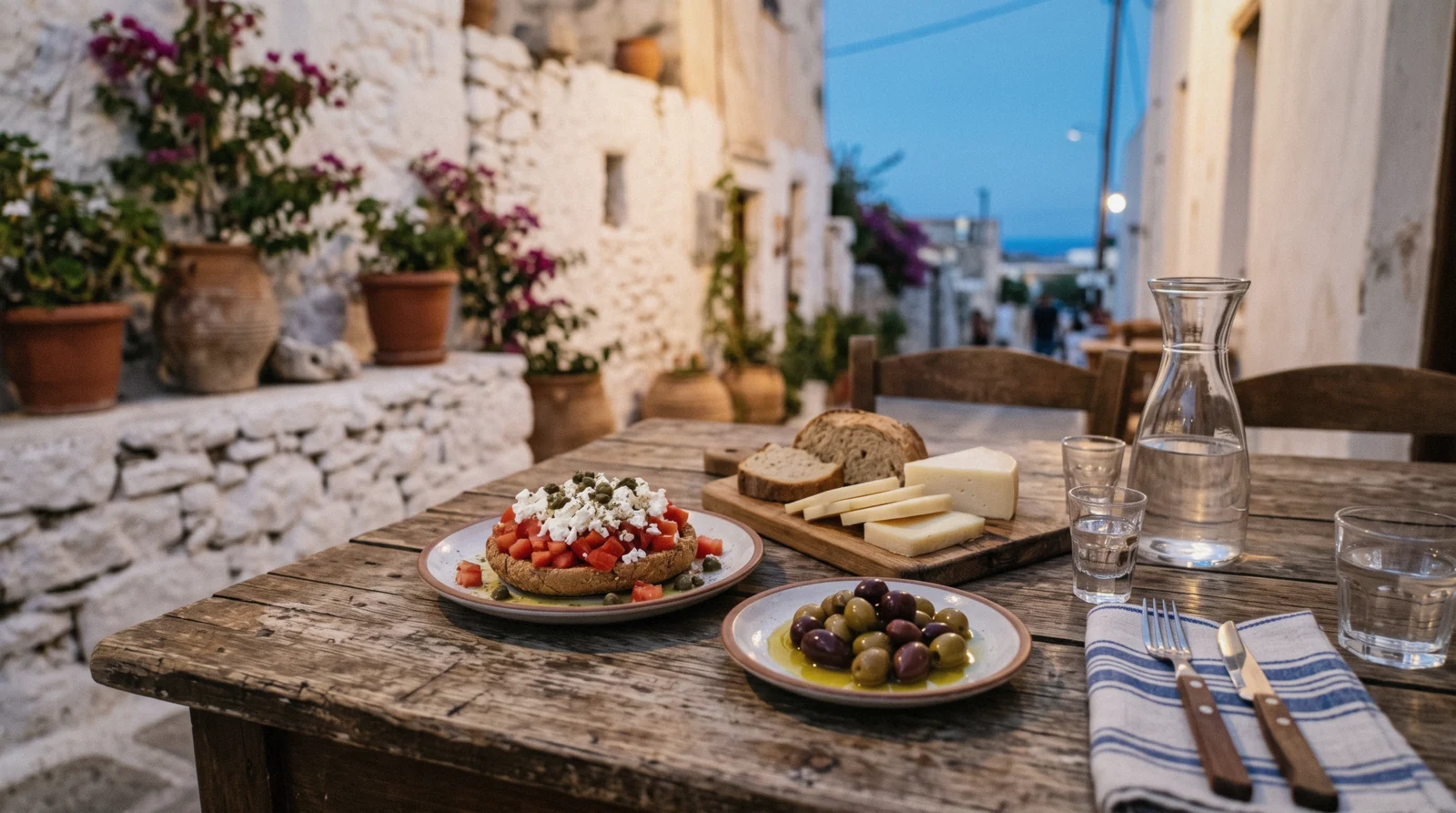
Crete food means something more specific than general Greek cooking: dakos instead of bruschetta, graviera instead of feta on most tables, and raki poured as a matter of course rather than ordered. This page covers Cretan food as a subject, the dishes, the ingredients, the meal timing and the tastings that put them in front of you, part of our Crete, Greece travel guide. We do not name individual restaurants here. No Michelin, Slow Food or Gambero Rosso list currently covers Crete's tavernas in a way this site can cite, so instead of guessing at quality, this page points you to the markets, the tasting tours and the town pages where local sourcing already applies.
Quick answer What Cretan food actually is, and how to taste it
Cretan food centres on olive oil, graviera cheese, wild greens and raki, the grape-skin spirit poured at the end of most meals rather than reserved for a toast. Dakos, a barley rusk topped with grated tomato, soft mizithra cheese and oil, is the dish most associated with the island specifically. The most reliable way to taste the real range is a tasting tour or cooking class: our food and wine tours run $47.27 to $137.61 and cover olive oil, wine, cheese and honey production directly, not just a restaurant meal.
Key takeaways
- First taste to try: dakos, the barley rusk and tomato dish that is distinctly Cretan rather than generic Greek.
- Want to see production, not just eat: an olive oil, wine, cheese and honey tasting tour runs from $47.27.
- Hands-on option: a cooking class in the White Mountains teaches the dishes rather than just serving them.
- For where to actually sit down, see each town's own page: Chania, Heraklion and Rethymno.
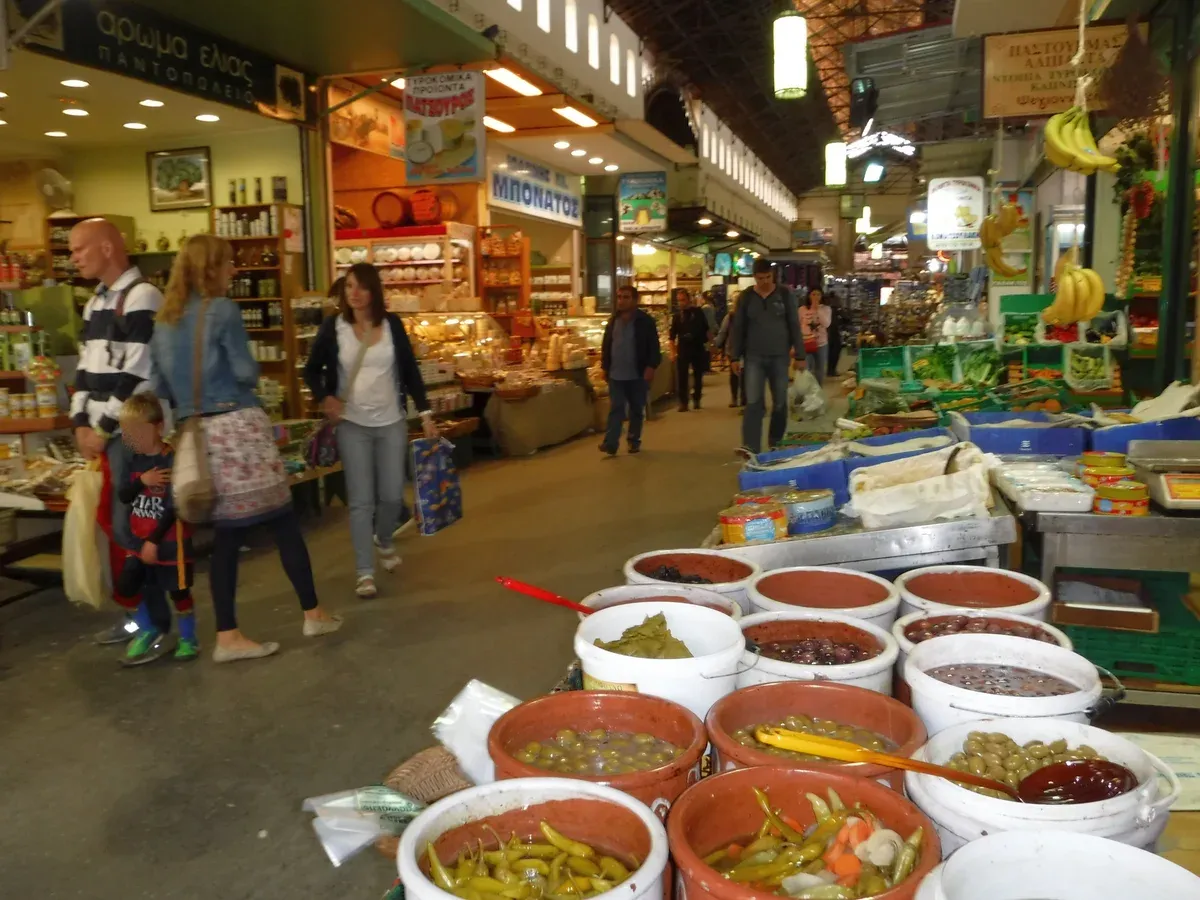
Photo: Derbrauni, CC BY-SA 4.0, via Wikimedia Commons
Seven Dishes and Ingredients That Define Cretan Food
These are the names worth knowing before you sit down anywhere on the island, grouped by course.
To Start
-
Dakos
Barley rusk, tomato, mizithra, oil
A dried barley rusk softened with olive oil, topped with grated fresh tomato and soft mizithra cheese. The dish most specifically associated with Crete rather than Greece generally.
Tip: Order it as a starter, not a side; portions are usually a full small plate.
-
Graviera Cheese
Hard sheep's-milk cheese
Crete's answer to a table cheese, firmer and nuttier than feta, often served fried in olive oil (saganaki-style) or shaved over dakos.
Tip: Look for it on a mixed meze plate rather than ordering a whole block alone.
-
Kalitsounia
Small cheese or herb pies
Small hand pies filled with soft mizithra cheese or wild greens, served either savoury as a starter or, with honey, as a sweet.
Tip: The honey version appears more at breakfast than dinner.
Mains and Staples
-
Wild Greens (Horta)
Foraged greens, boiled and oiled
A plate of boiled wild greens dressed in olive oil and lemon, a staple side that reflects Crete's long tradition of foraging rather than only cultivated vegetables.
Tip: A reliably available vegetarian option almost everywhere on the island.
-
Cretan Olive Oil
The base of nearly every dish
Crete produces some of Greece's highest olive oil consumption per person, and the oil itself, often from century-old trees, is poured generously rather than used sparingly.
Tip: A tasting tour, not a restaurant meal, is the clearest way to compare oils side by side.
To Finish
-
Raki (Tsikoudia)
Grape-skin spirit
A clear spirit distilled from grape-pressing leftovers, traditionally poured free at the end of a meal as a gesture of hospitality rather than sold as a listed drink.
Tip: Accepting a free pour is the polite response; declining outright can read as rude in a family-run place.
-
Honey
Thyme and wildflower honey
Cretan thyme honey, often from mountain apiaries, is poured over kalitsounia, yoghurt or graviera rather than reserved for tea.
Tip: A food and wine tasting tour is the most reliable way to try several producers' honey side by side.
Taste It on a Tour
Five tracked tours covering tastings, a cooking class and a walking food tour, mostly based in or around Chania.
 from $47.27
Olive Oil, Wine, Cheese & Honey Tasting Tour
A day of tastings from Chania: olive oil, wine, cheese and honey at the producers, the food lesson most visitors want in one run.
Check Availability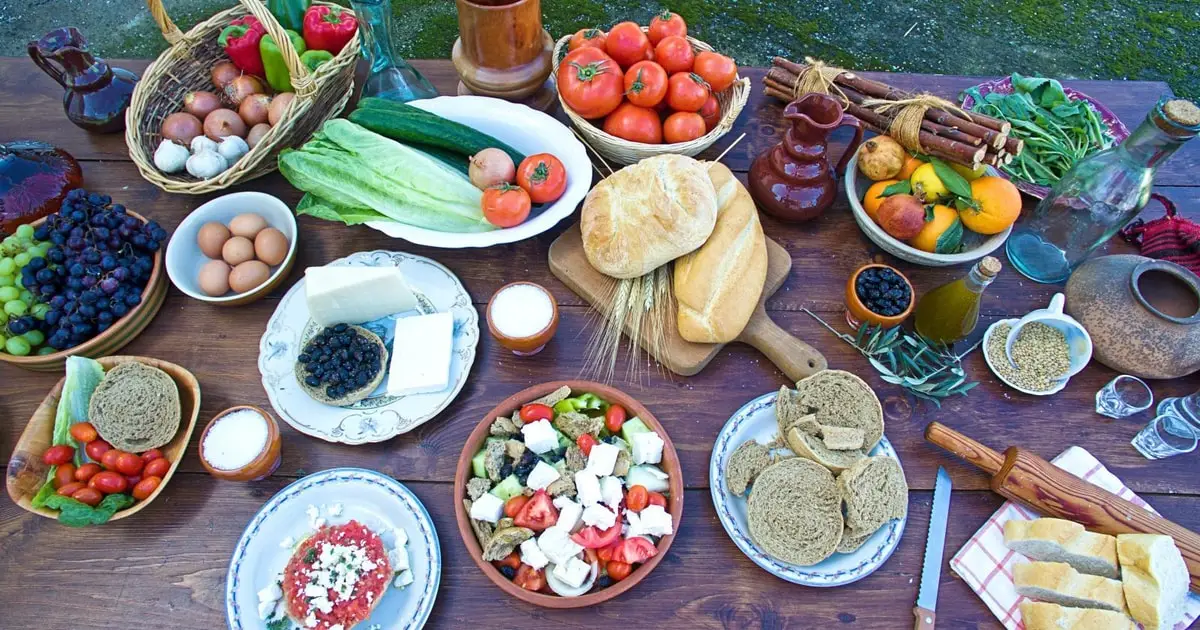 from $123.80
Authentic Cooking Class in the White Mountains
A cooking class in a White Mountains village above Chania: market produce, Cretan dishes by hand, then the long lunch.
Check Availability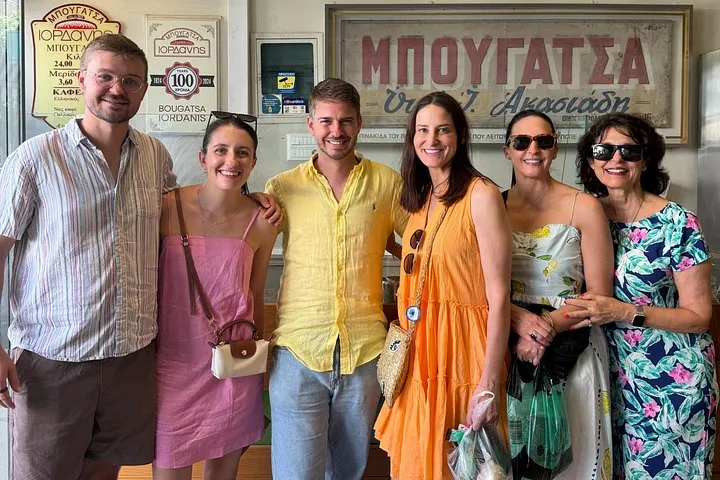 from $103.21
Walking “Food tasting tour” in the town of Chania
A walking food-tasting tour through Chania old town, the bakeries, cheese shops and tavernas between the harbour and the market.
Check Availability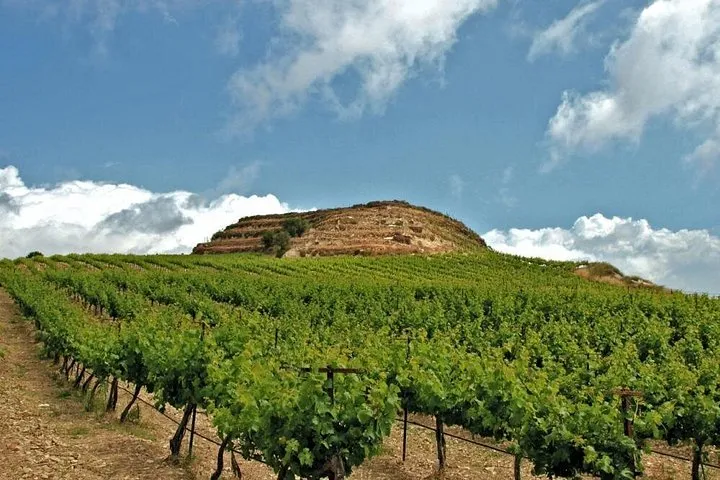 from $137.61
Crete Wine and Olive Oil Tour
A wine and olive oil day from Chania with tastings at the estates of the hinterland.
Check Availability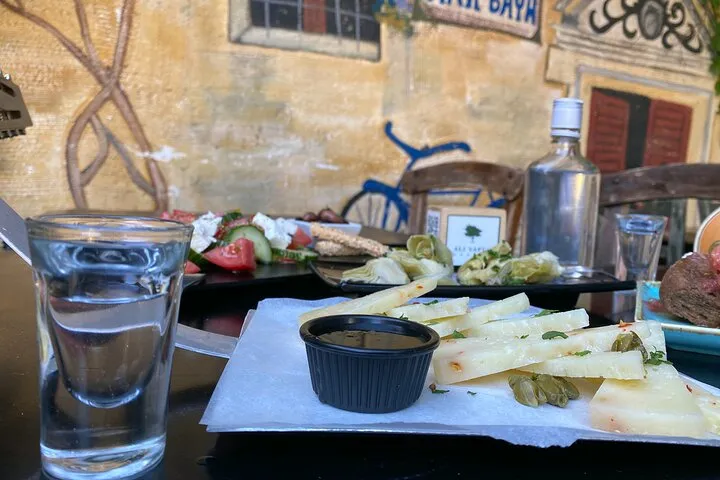 from $102.06
Rethymno Walking & Gastronomy Tour
A walking and gastronomy tour of Rethymno old town, Venetian lanes and the tastings in them.
Check AvailabilityPrices, ratings and details are the platform's own. dollar figures are the listed prices — the platform bills in your account's currency.
When Cretans Actually Eat
Meal timing on Crete runs later than much of Northern Europe or North America, which changes when a kitchen is actually busy.
Lunch Runs Long and Late
Lunch typically starts from 13:00 and can run past 15:00, especially on a weekend, reflecting a slower midday pace rather than a quick break.
Dinner Rarely Starts Before 20:00
Dinner service generally starts around 20:00 and peaks from 21:00, later than many visitors expect. A kitchen that looks quiet at 19:00 is not necessarily closed, just not yet at its real service hours.
Breakfast Is the Lightest Meal
A Cretan breakfast is typically simple, bread, cheese and coffee, rather than a large cooked spread, so a hearty breakfast is more a hotel accommodation than a local habit.
Markets and Where the Ingredients Come From
Seeing where Cretan food comes from is as useful as eating it, and a handful of places make that visible directly.
Chania's Covered Market
Chania's cross-shaped covered market hall sells cheese, olives, honey and produce from stalls that have operated for generations, a working market rather than a tourist display. It sits inside Chania Old Town, an easy stop before or after the harbour.
Olive Groves and Tasting Tours
Several of this page's tracked tours take you to an actual olive oil, wine or cheese producer rather than just a restaurant table, which is the more direct way to understand where the ingredients in a dakos or a graviera plate actually come from.
Town Pages for Where to Sit Down
This page intentionally does not rank or name specific restaurants, since no citable list (Michelin, Slow Food, Gambero Rosso) currently covers Cretan tavernas in a way we can verify. Chania, Heraklion and Rethymno each cover their own old-town dining area in more local detail instead.
Vegetarian, Vegan and Allergy Notes
Cretan food's plant-forward staples make some dietary needs easier than others.
Wild greens, olive oil, legume-based dishes and a wide range of vegetable mezes make Crete genuinely workable for vegetarians, and often for vegans once cheese and honey are set aside. Coeliac travellers should ask directly about cross-contact rather than assume, since no official coeliac-friendly register for Cretan tavernas was found in researching this page, so nothing here is printed as certified unless the venue states it itself. Shellfish and nut allergies are worth flagging clearly, as several meze spreads mix small plates quickly and cross-contact is a real risk in a busy kitchen.
Drinks Beyond Raki
Cretan drinking culture runs wider than the end-of-meal spirit most visitors hear about first.
Cretan Wine
Crete grows indigenous grape varieties rarely seen outside Greece, Vidiano for whites and Kotsifali and Mandilari for reds, a genuinely different pour from the imported-variety wine lists common at resort hotels. A wine and olive oil tasting tour is the clearest way to try several side by side rather than guessing from a restaurant list.
Greek Coffee and the Frappé
A slow-brewed Greek coffee, served in a small cup with the grounds settled at the bottom, remains the traditional order, though the iced frappé is just as common for an afternoon break in the heat.
Raki as a Closing Ritual, Not a Bar Order
Beyond the free pour at the end of a meal covered above, raki is also the centrepiece of a rakokazano, a seasonal autumn gathering around the distilling of the new batch, a tradition tied to the grape harvest rather than something a visitor books directly.
What's in Season
Several Cretan specialities tie directly to the calendar rather than appearing year-round.
Autumn: The Olive Harvest
Olive picking runs through autumn and into winter, and the freshest, most peppery new-season oil appears on tables shortly after, a detail worth knowing if an olive oil tasting is part of your trip.
Spring: Wild Greens at Their Best
Horta, the wild foraged greens covered above, are at their most abundant and tender in spring, before the dry Cretan summer toughens what is left to forage.
Summer: Garden Vegetables and Light Meze
Summer brings tomatoes, cucumbers and courgette flowers to the table, leaning meze spreads toward lighter vegetable dishes than the heavier pies and greens of the cooler months.
How Meze Actually Works
Ordering Cretan food well is as much about pacing as it is about which dish to pick.
A meze spread is meant to arrive gradually and be shared across the table, rather than each diner ordering and eating a single separate plate. Ordering three or four small dishes between two people, then adding more as the table empties, works better than committing to one large main early. Bread, served with most meals, is there to soak up olive oil and sauces rather than to fill up on before the food arrives.
Ordering Like You've Been Here Before
A few practical habits separate a visitor who orders well from one guessing at an unfamiliar menu.
Ask What's Fresh Rather Than Reading the Whole Menu
Many family-run tavernas cook a shorter daily selection than their printed menu suggests, especially for fish and seasonal vegetables. Asking what came in today often gets a better answer than ordering blind off the full list.
A Small Plate Culture Rewards Ordering Slowly
Starting with two or three small dishes and adding more once the table empties, covered above in how meze actually works, avoids over-ordering a spread sized for a much bigger group.
Raki Arrives Whether You Order It or Not
A complimentary end-of-meal raki pour, often with a small sweet, is common at family-run places as a hospitality gesture rather than something to request, covered above in drinks beyond raki.
Budgeting for Food on Crete
No official source publishes Cretan restaurant prices, so this guide states that gap directly rather than quoting a figure it cannot verify.
A sit-down taverna meal, a market-bought lunch and a tasting tour all sit at different points on a budget, but none of them has a published official price this site can cite the way it can a Ministry entry fee. Crete costs covers the wider daily budget picture, including the figures that are officially published, transit fares and entry fees, alongside an honest note on what food and lodging are not. A tasting tour's own listed price, by contrast, is a verifiable figure: our five tracked food and wine tours run $47.27 to $137.61, a useful anchor point if restaurant-by-restaurant guessing feels unreliable.
Matching the Meal to the Town
Where you eat well on Crete often tracks where you are already spending the day, rather than requiring a special detour.
Chania's covered market and harbour area suit a lunch stop after walking the old town, since both sit inside the same compact district. Heraklion, as the island's capital and a UNESCO City of Gastronomy since 2023, spreads its food scene more widely across the city centre rather than one single market. Rethymno's old town, smaller than either, works well for an evening meal after a Fortezza visit, keeping the whole day in one walkable area.
Plan the Rest of Your Trip
Three pages that connect to this one.
Chania
The old-town dining area around the Venetian harbour and covered market.
West Crete Check info & availabilityCrete Tours
All 51 tracked tours, including the five food and wine tastings on this page, sorted by type.
Island-wide Check info & availabilityCrete Costs
What a day of eating and drinking actually runs, alongside the rest of a Crete budget.
Island-wide Check info & availabilityCrete Food: Questions
What food is Crete known for?
Dakos, graviera cheese, wild greens cooked in olive oil, and raki poured at the end of a meal are the dishes and habits most specifically associated with Crete rather than Greece broadly.
What do they eat for breakfast in Crete?
A simple breakfast of bread, cheese and coffee is typical, lighter than the large cooked breakfasts many hotels serve to visitors. Kalitsounia, small cheese or honey pies, also appear at breakfast more than at dinner.
What are the 5 most popular Greek dishes?
On Crete specifically, dakos, graviera saganaki, wild greens (horta), kalitsounia and a meze spread with olive oil and raki cover the dishes most visitors encounter first, several distinct enough to the island that they differ from mainland Greek menus.
What time do Cretans eat dinner?
Dinner service generally starts around 20:00 and peaks from 21:00, covered in full in when Cretans actually eat.
Is Cretan food different from Greek food?
Yes, in specifics: graviera stands in for feta on many Cretan tables, dakos replaces a bread salad, and raki is poured as a hospitality gesture rather than ordered as a drink, distinctions this page covers dish by dish above.
Where can I try real Cretan food?
A tasting tour or cooking class, several tracked on this page from $47.27, puts you directly at a producer rather than guessing at a restaurant. For sit-down dining, each town's own page, Chania, Heraklion and Rethymno, covers its old-town dining area without naming unverified restaurant rankings.
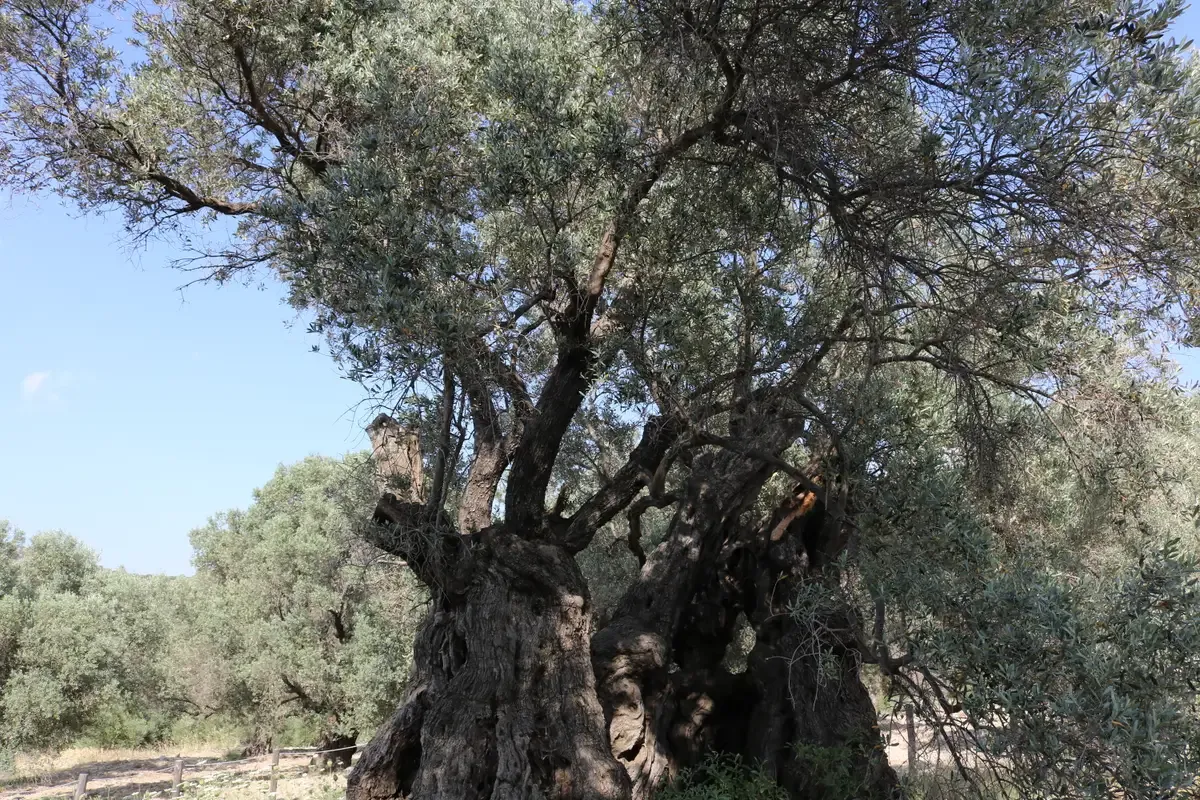
Photo: Rudolphu, CC BY-SA 4.0, via Wikimedia Commons
Crete Food on Video
Greek Islands Food Tour in Crete: Seafood and Mouthwatering Gyros in Chania
A Chania-based food tour covering several dishes named on this page.
Video: Mark WiensCretan Food: Farm-to-Table Mediterranean Cuisine in Crete
A closer look at Cretan ingredient sourcing, relevant to this page's markets section.
Video: Mark WiensWhat to Eat in Crete: 40 Must-Try Cretan Dishes & Greek Food Guide
A broader dish-by-dish rundown beyond the seven highlighted on this page.
Video: Travel StoriesWe may earn a commission if you book through one of our links, at no extra cost to you. Full affiliate disclosure